Gachiakuta Power System Explained: How Vital Instruments Work
Most shonen manga give their heroes magical energy, bloodline gifts, or divine weapons. Gachiakuta does something far stranger and far more interesting. It gives them trash. The power system in Gachiakuta is built on a simple but loaded idea: the objects society throws away can hold tremendous power if the right person picks them up. That idea drives every fight, every character arc, and every theme the manga is working through.
What Is the Gachiakuta Power System?
How the Giver System Works
The foundation of Gachiakuta’s combat system is the Giver. A Giver is a person born with the rare ability to channel anima, a form of vital energy, into physical objects. That energy does not create weapons from nothing. It works with what already exists, pulling out potential locked inside a discarded item and converting it into something combat-ready. The Giver does not simply hold a weapon. They form a living connection with it.
Not everyone in the world of Gachiakuta is a Giver. The ability appears selectively, and its strength varies enormously between individuals. Some Givers unlock modest enhancements. Others can turn a piece of junk into a force of nature. What separates them is not just raw power; it is the depth of their emotional relationship with the object they choose.
Emotional Connection Behind Powers
Here is what sets Gachiakuta apart from almost every other power system in the genre: emotion is not a bonus. It is the mechanism. A Giver who picks up a random object and tries to activate it will get very little. A Giver who channels their grief, their rage, or their identity into an object they genuinely care about can unlock something far beyond its physical form. The power scales with meaning, not with technique.
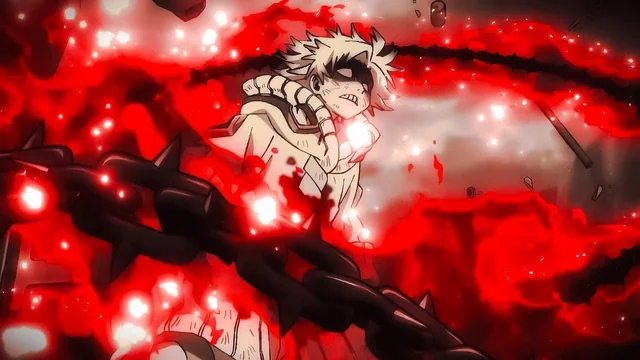
This makes every fight in the manga carry psychological weight. When Rudo uses his Vital Instrument, you are not just watching combat choreography. You are watching someone externalize their trauma. The object becomes a projection of the person holding it, and that is why battles in Gachiakuta feel emotionally different from battles in most other shonen titles.
Why Objects Matter in Gachiakuta
The pit, the world beneath the Sphere, is made entirely of discarded objects. The people who live and fight there are also people the Sphere discarded. That parallel is not accidental. Osawa designed the power system to reflect the world’s social logic. The things society throws away are not worthless. They carry history, memory, and potential. A Giver draws on all three.
The Pit runs on what the Sphere throws away. So do the people who live in it. So does every Vital Instrument.
What Are Vital Instruments?
Definition of Vital Instruments
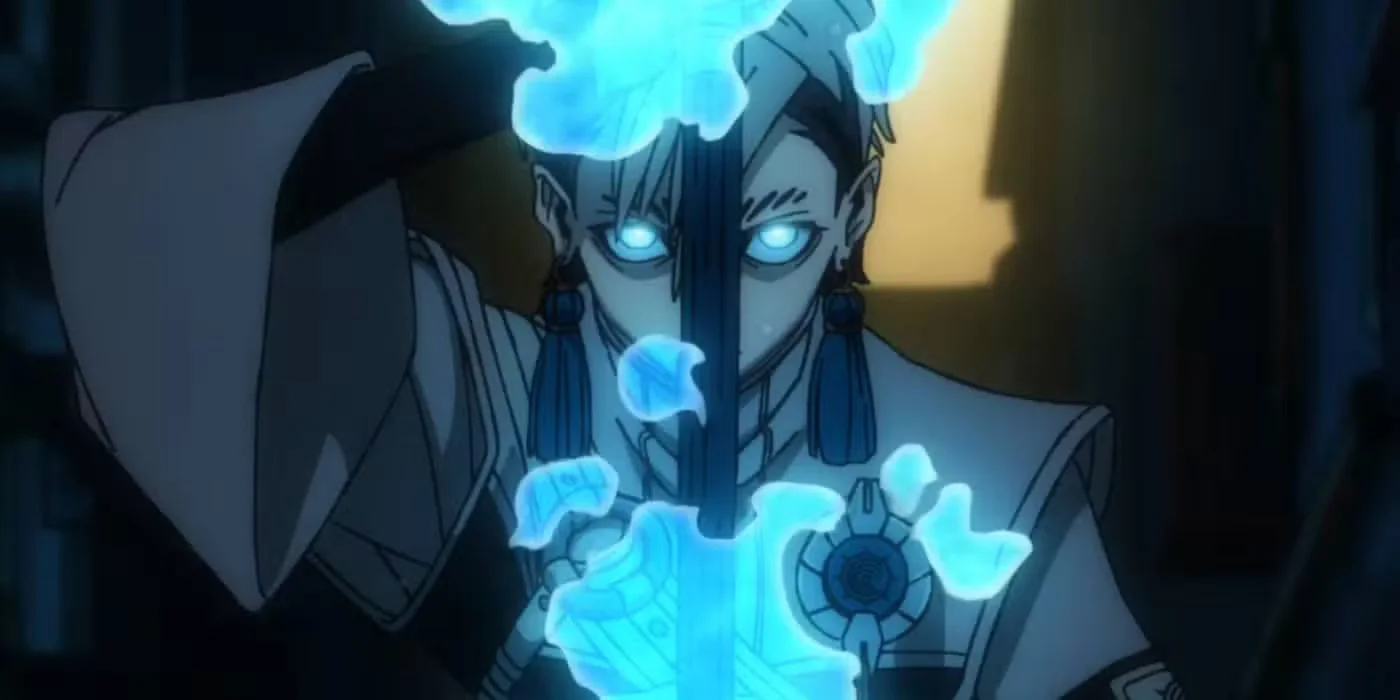
A vital instrument is the specific object a giver bonds with and activates using anima. It is their primary weapon in combat against the Trash Beasts that populate the Pit. The term is precise: “vital,” because the object becomes tied to the Giver’s life force and emotional state; and “instrument,” because it serves a focused purpose in battle. Every Giver’s vital instrument is unique to them and cannot simply be transferred to another person.
How Objects Become Weapons
The transformation from discarded object to vital instrument is not mechanical. A Giver does not just pick up an item and charge it up. They have to choose it, or more accurately, feel drawn to it. The object resonates with something in the Giver’s personality or history. Once that resonance is established and anima flows through it, the object changes. It does not always become something physically impressive. Its power comes from what it means, not what it looks like.
Rudo’s Vital Instrument is the clearest example of this. His chosen object is a bath scrubber. By any standard measure, that is laughable as a weapon. But in his hands, connected to his anima and his history, it becomes genuinely dangerous. The joke is the point: Gachiakuta is telling you not to judge worth by appearance.
Emotional Value and Power Awakening
The awakening of a vital instrument tends to happen at moments of intense emotional pressure. Loss, rage, love, and desperation create the conditions for anima to surge and bond fully with the object. This is why many Givers cannot fully explain how they first activated their weapon. The awakening is less like learning a skill and more like a memory breaking open. It happens when the person is most themselves, for better or worse.
Difference Between Normal Tools and Vital Instruments
A normal tool in Gachiakuta is just an object. It can be used physically, but it carries no anima and no combat enhancement. A vital instrument operates on a completely different level. It responds to its Giver’s emotional state. It can evolve as the Giver grows. Some evidence suggests it can even protect its user instinctively. The line between person and object blurs in a way that makes Vital Instruments feel closer to companions than weapons.
How Characters Unlock Their Abilities
Role of Emotional Attachment
Before a Giver can unlock their ability, they need to feel something for the object. This requirement filters out most people immediately. You cannot fake the emotional bond. It must come from lived experience, something the object was part of, something it represents, something that connects it to the Giver’s identity. For people who grew up in the Pit surrounded by objects the Sphere threw away, that connection often forms naturally.
Awakening Through Trauma and Experience
Most Givers in the story did not choose a calm moment to unlock their powers. The pattern across multiple characters is consistent: the ability surfaces under pressure. Trauma accelerates the process. Experience refines it. A Giver who has spent years in the Pit, surviving Trash Beasts and processing their own history, will have a far more stable and powerful connection to their vital instrument than someone who only recently awakened.
Connection Between Users and Objects
The relationship between a giver and their vital instrument is genuinely two-directional. The object does not just receive energy. Experienced givers describe the connection as feeling feedback from it. Some vital instruments seem to push back when overused, as if signaling a limit. Others appear to respond more powerfully when the Giver is in emotional distress. This dynamic makes the power system feel alive rather than mechanical.
Types of Powers in Gachiakuta
Offensive Vital Instruments
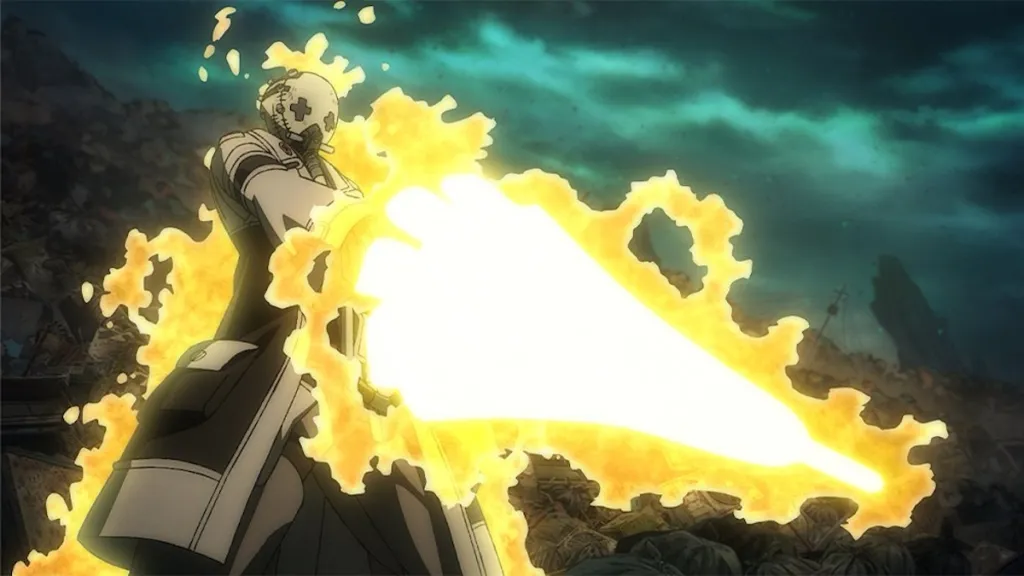
The most visible type. Offensive Vital Instruments deal direct damage to Trash Beasts and enemy Givers. They tend to manifest as enhanced striking power, projectile attacks, or the ability to manipulate the object’s form during combat. Rudo’s scrubber falls into this category; when fully activated, it hits with far more force than its physical form should allow. The enhancement scales with the intensity of animus channeled into it.
Defensive and Support Abilities
Some givers develop vital instruments that prioritize protection or strategic advantage over raw damage. These are less common in the early story but become more relevant as the cast expands. Defensive instruments can create barriers, absorb impact, or redirect force. Support-type abilities might affect movement, perception, or the battlefield environment. These Givers tend to play long-game roles in team combat situations.
Adaptive and Utility-Based Powers
A smaller category, but arguably the most interesting. Some vital instruments do not fit neatly into offense or defense. They adapt based on context, changing what they do depending on the environment, the opponent, or the Giver’s mental state at that moment. These instruments are harder to use and harder to counter. They reward creativity over raw power, making their users genuinely unpredictable in the Pit.
Powers Linked to the Watchman Series
The Watchman Series represents a distinct tier within the Gachiakuta power framework. These are givers with exceptional ability and experienced fighters who have survived the Pit long enough to reach a level most never do. Their vital instruments have evolved further than average, reflecting years of use and emotional depth. The Watchman designation is not just a rank. It signals a giver whose bond with their object has reached something close to complete.
Strongest Vital Instrument Users in Gachiakuta
Rudo and Object Manipulation
Rudo is the protagonist and the reader’s entry point into the power system. His ability is unique in how directly it mirrors his psychology. His aggressive, physical combat style maps onto how his vital instrument functions: blunt, direct, and driven by emotional force rather than technical finesse. As his understanding of himself deepens, so does his control over the anima he channels. His ceiling appears unusually high.
Enjin’s Combat Ability
Enjin operates at a level Rudo has not reached yet. His vital instrument reflects a more refined and controlled relationship with anima, the result of far more experience in the Pit. Where Rudo fights with instinct and emotion in the foreground, Enjin demonstrates what happens when a Giver learns to channel those same forces with precision. He is one of the clearest examples of what the power system looks like at full development.
Zanka and Experienced Givers
Zanka represents a different model of strength. Her experience in the Pit gives her a different relationship with her vital instrument, less explosive but more consistent, with a strategic intelligence behind how she uses her anima. Experienced givers like Zanka show that longevity in the pit develops power in ways that cannot be shortcut. Their strength is layered, not just elevated.
What Makes a Strong Giver?
Raw anima output matters, but it is not the deciding factor. The strongest givers in Gachiakuta tend to share three qualities:
- A deep and specific emotional connection to their Vital Instrument
- Combat experience that has forced them to push their ability under pressure
- Self-awareness, they understand what drives their power and what limits it
That third quality is the rarest, and it is what separates the very best from everyone else.
Power Limitations in Gachiakuta
Emotional and Physical Restrictions
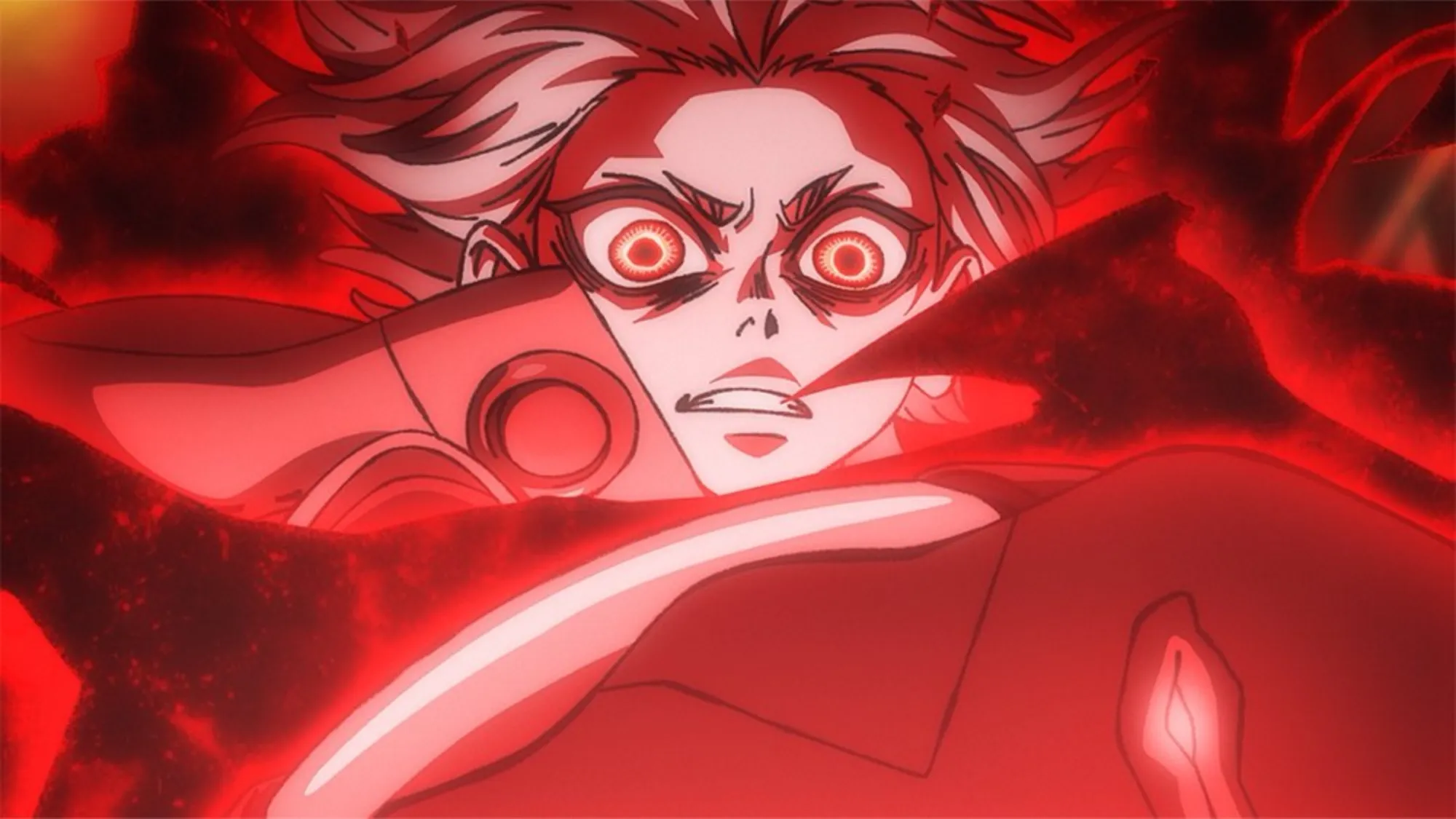
A Giver’s output is capped by both their physical stamina and their emotional state. Push too hard physically, and the connection to the vital instrument weakens. Fall into emotional numbness or dissociation, and the anima flow becomes erratic. This dual restriction means that mental health and physical condition are not separate concerns for a giver; they are the same concern.
Weakness of Overusing Abilities
Sustained, high-intensity use of a vital instrument drains the giver. The drain is not purely physical. Overuse pulls from the emotional reserves that fuel the connection, leaving the Giver feeling empty in a way that goes beyond tiredness. Recovery requires rest and psychological stability, two things the Pit does not offer in abundance. This limitation gives battles real stakes and makes reckless power use genuinely costly.
Why Not Every Object Becomes Powerful
The emotional resonance requirement means that most objects, even rare or unusual ones, will not activate for a given Giver. The object has to mean something specific to that person. A weapon that was transformative for one Giver might be completely inert for another. This creates a world where power cannot be inherited, stolen, or easily transferred. It has to be built from personal history.
Limits of Inexperienced Givers
New Givers like Rudo at the story’s start struggle with control as much as with power. They can feel the connection to their vital instrument but cannot regulate how much anima they channel. This leads to outbursts that drain them quickly, inconsistent results in combat, and moments where the power simply does not respond. Experience is what builds the channel between emotion and output into something stable and intentional.
Why the Gachiakuta Power System Feels Different
Connection Between Power and Personality
In most shonen systems, two characters with the same type of power can swap techniques. In Gachiakuta, that is essentially impossible. Each Giver’s ability is a direct expression of who they are. Their history, their pain, and their specific attachment to a specific object are not flavor details. They are the mechanism. You cannot understand the power without understanding the person wielding it.
Symbolism Behind Discarded Objects
Every vital instrument in the story is something the world threw away. That is not a coincidence or an aesthetic choice. Osawa designed the power system to argue a point: value exists in what gets discarded, and the people who recognize that value are the ones who can use it. The Sphere throws away people and objects with equal indifference. The pit turns both into something the sphere cannot control or predict.
Real Emotional Weight in Battles
Fights in Gachiakuta carry stakes that go beyond who wins or loses. When Rudo pushes his Vital Instrument past its limit, it tells you something about his psychological state. When an experienced giver fights with controlled precision, you understand what years of survival have cost them. The power system makes emotional subtext visible in a way that is rare in any action manga.
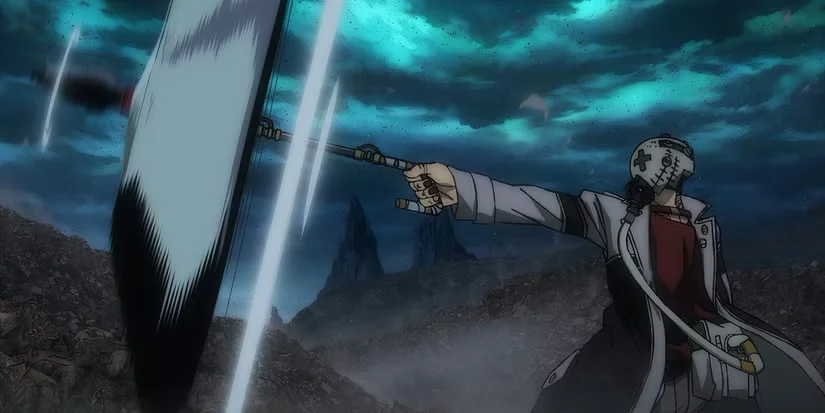
How Vital Instruments Reflect the Themes of Gachiakuta
Value Inside Broken Things
The manga’s central argument is that broken things and broken people are not without worth. The Vital Instrument system makes that argument structurally. Power does not come from pristine sources. It comes from what has been used, discarded, and survived. Every time a Giver activates their weapon, the manga is reinforcing this thesis without having to state it directly.
Society, Rejection, and Power
The Sphere discards both objects and non-citizens with the same logic: they are no longer useful to the city’s image. Gachiakuta’s power system inverts that logic completely. The rejected become the powerful. The discarded become weapons. This inversion is not just satisfying as a story beat; it is the philosophical core of everything Osawa is building.
Why the System Matches the Story World
A power system that runs on anima generated from emotional connection to discarded objects could only exist in this specific story. In any other world, it would feel arbitrary. In Gachiakuta, it feels inevitable. The system grew from the setting, the themes, and the characters simultaneously. That coherence is what makes it feel genuinely original rather than a genre variation.
Conclusion: Why the Gachiakuta Power System Works So Well
Strength Through Emotional Connection
Most power systems in shonen manga reward training, lineage, or willpower. Gachiakuta rewards something harder to fake: a real relationship with an object the world decided did not matter. That shift in what earns you power changes how you read every fight in the story. The system is elegant because it is honest. Power here comes from the same place as pain, and both are real.
Future Expansion of the Power System
The Watchman Series and the deeper levels of the Pit suggest the power system has not shown its full range yet. Higher-tier Givers, rarer Vital Instruments, and the relationship between anima and the Trash Beasts themselves all point toward revelations the manga has not fully delivered. What Osawa has built is a foundation designed to expand without losing coherence. That is one of the clearest signs of a well-constructed power system.