Who Is Rudo in Gachiakuta? Powers, Backstory & Full Character Breakdown
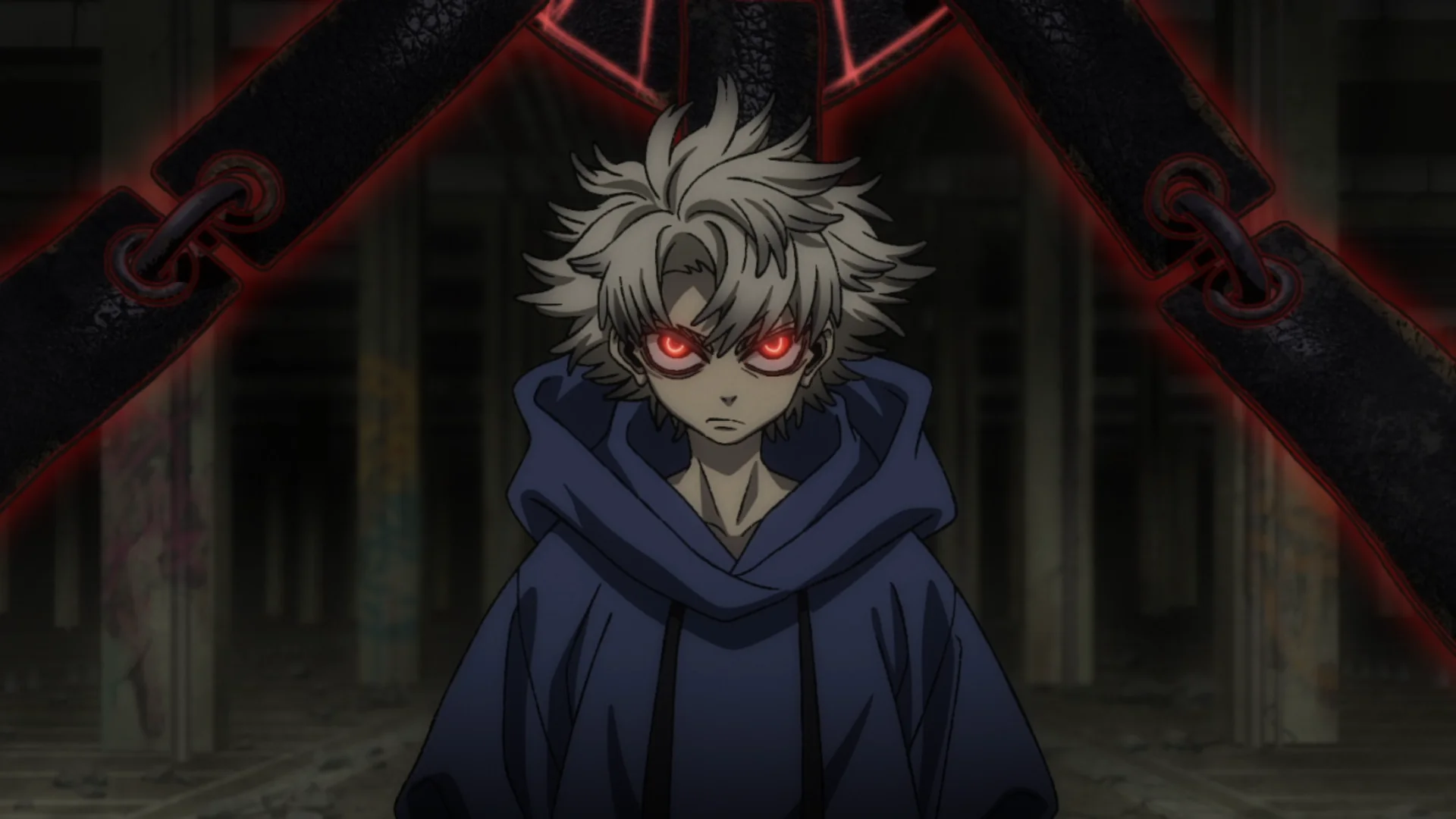
Rudo is the central protagonist of Gachiakuta, a dark shonen manga written and drawn by Yusuke Osawa. He is a teenage boy raised on the margins of a floating city called the Sphere. From his very first appearance, Rudo reads as raw, unfiltered, and furious, a stark contrast to the polished heroes common in the genre. His design and personality signal something the story keeps confirming: this is not a boy the world made room for.
Rudo is classified as a Giver, meaning he possesses the rare ability to breathe life into discarded objects. That detail is not cosmetic. It ties directly to who he is and what Gachiakuta says about society, worth, and the things people choose to throw away.
The story takes place in a world split between the Sphere, a clean and privileged city floating above, and the Pit, a vast underworld made entirely of the Sphere’s waste. Rudo begins in the Sphere as a social outcast and ends up in the Pit, where he must survive among Cleaners, fighters who hunt Trash Beasts, monsters born from discarded objects. His role is not just a protagonist. He is the bridge between two worlds that the powerful have deliberately kept apart.
Rudo Backstory Explained
Life Before the Pit
Before his exile, Rudo lived as what the Sphere calls a “non-citizen,” someone with no verified lineage in the floating city. He had no legal status, no formal education, and no social standing. Despite that, he survived. He was scrappy, quick-tempered, and deeply resourceful. The Sphere did not offer him a path forward, but it also could not make him disappear, at least not right away.
Relationship With Regto
The one stable force in Rudo’s early life was a man named Regto, a figure who functioned as his guardian and the closest thing he had to a father. Regto gave Rudo structure, care, and a sense of identity in a world that offered none of those things freely. Their bond is quiet but profound. Regto did not just feed and shelter Rudo; he gave him a reason to keep going. That relationship becomes the emotional engine of the entire story.
Regto did not just shelter Rudo. He gave him something the Sphere never would: the sense that he mattered.
False Accusation and Exile
Everything changes when Regto is murdered. Rudo is accused of the killing. The accusation is false, but the Sphere’s justice system, designed to protect the privileged, has no interest in the truth when the accused is a non-citizen. He is arrested, convicted, and thrown into the Pit. The speed of that process reveals exactly how the Sphere operates: it discards people the same way it discards trash.
Why Was Rudo Thrown Into the Pit?

Sphereites, Society, and Justice System
The Sphereites are the ruling class of the floating city. Their society runs on a rigid system of citizenship and lineage. If you cannot prove your bloodline, you have no rights, no recourse, no representation, and no protection under the law. When Rudo is charged with Regto’s murder, there is no fair trial. The system processes him as disposable because, to the Sphere, that is exactly what he is.
Class Divide and Social Discrimination
The class divide in Gachiakuta is not subtle. The Sphere is clean, orderly, and beautiful. The Pit is chaotic, dangerous, and built from everything the Sphere rejects. Non-citizens like Rudo occupy the bottom of that hierarchy while still living above the Pit, which means they exist in a painful in-between space. They are not low enough to be exiled immediately but not valued enough to be protected. Rudo’s exile makes that invisible line suddenly very visible.
Symbolic Meaning of the Pit
The Pit functions as both a physical location and a symbol. It is where society sends everything it no longer wants: broken machines, rotting materials, and people it has deemed worthless. Being thrown into the pit is not just punishment; it is a statement. It says, “You are garbage.” Gachiakuta takes that metaphor seriously and then turns it inside out by showing that the Pit has its own order, its own fighters, and its own form of dignity.
Rudo Powers in Gachiakuta Explained
Giver System and Vital Instrument
A Giver is someone who can channel vital energy into objects, giving them enhanced properties or activating dormant power within them. Rudo’s vital instrument, the object that becomes his primary weapon, is a bath scrubber. That choice is deliberately absurd and deliberately meaningful. A cleaning tool, weaponized by someone the Sphere wanted to throw away. His Vital Instrument grows in capability as Rudo’s own power develops throughout the story.
3R Ability and Object Connection
Rudo’s core ability, known as the 3R, Reduce, Reuse, and Recycle, allows him to connect with discarded objects on a deep level. He can feel their history, understand what they were, and use that connection to draw out their full potential in combat. This is not a standard power system. It is a power that only works because Rudo, like the objects, has been discarded. The Pit does not weaken him in many ways; it is where he finally belongs.
Combat Style and Growth in the Pit
Rudo fights with raw aggression and physical instinct. He had no formal training when he entered the Pit. What he has is an almost reckless willingness to charge forward, take damage, and keep moving. As he learns from the cleaners around him, his combat style becomes more controlled, but it never loses that brutal, cornered-animal energy. That evolution is one of the most satisfying arcs in the manga’s early chapters.
Rudo Personality and Psychological Depth

Trauma, Isolation, and Trust Issues
Rudo does not open up easily. Spending his formative years as a non-citizen with no community to belong to has made him deeply guarded. He reads social situations through the lens of someone who has been burned every time he trusted an institution or a stranger. That suspicion is not irrational; it is the logical output of a life where trust usually ended in loss or betrayal.
Anger-Driven Survival Behavior
Anger is Rudo’s default mode, and Osawa writes it with specificity. This is not the generic hot-headed shonen protagonist who gets mad and powers up. Rudo’s anger comes from a specific place: grief, injustice, and the frustration of being invisible to a world that still manages to destroy everything he loves. His outbursts feel earned. They feel human. That is what separates him from dozens of other protagonists in the genre.
Emotional Growth After Exile
Inside the Pit, something shifts. Rudo encounters people who also have nothing, people the Sphere discarded for different reasons but with the same indifference. That shared experience creates unexpected bonds. His emotional growth is not a dramatic transformation. It is slow, reluctant, and honest. He does not suddenly become warm. He becomes slightly less closed off, which, given where he started, is enormous.
Symbolism Behind Rudo in Gachiakuta
Trash and Human Value Connection
The central argument of Gachiakuta is that the things society calls worthless often have more value than the things it chooses to protect. Rudo embodies that argument completely. He was labeled disposable by every system he encountered. Yet he is the one capable of forming a real connection with discarded objects, of finding power in what others threw away. The manga treats this not as irony but as logic.
Cerberus Theory and Underworld Symbolism
Among the manga’s fan base, a popular reading connects Rudo to the mythological figure of Cerberus, the three-headed dog that guards the underworld. Rudo is thrown into a literal underworld, and his role among the Cleaners positions him as a guardian of a space the surface world would rather ignore. Whether Osawa intended this connection directly or left it as open symbolism, the parallel adds genuine weight to how readers experience Rudo’s place in the story.
Rudo as a Discarded Society Figure
Rudo is not just a character who was abandoned. He is the manga’s argument about what happens to people that a society systematically ignores. His journey does not ask you to feel sorry for him. It asks you to recognize what was lost when the sphere threw him away and what he built despite that. That framing gives Gachiakuta a social sharpness that most shonen manga does not reach for.
Rudo and Regto Relationship Explained
Father Figure Bond
Regto is the most important person in Rudo’s life, and the manga establishes that clearly within its opening chapters. He is not a perfect guardian; he has secrets, limitations, and a life that Rudo only partially understands. But he is consistent. He shows up. For a child who grew up with no citizenship and no safety net, that consistency is the entire world.
Emotional Impact of Loss
Regto’s death is the event that sets the entire plot in motion, and its emotional weight never fully disappears from the story. Rudo’s motivation in the pit is not simple revenge, though that element is present. It is the need to find out what really happened and to make sure Regto’s death meant something. That is a more complex grief than most shonen manga allows its heroes, and it makes Rudo’s journey feel genuinely personal.
Is Rudo the Strongest Character in Gachiakuta?

Current Strength Level
At his current point in the story, Rudo is far from the strongest fighter in the Pit. He is powerful relative to the trash beasts he encounters early on, and his growth curve is steep, but seasoned cleaners with years of experience still operate at a level above him. He wins fights through ferocity and adaptability more than through superior technique or raw power. That gap makes his wins feel earned rather than inevitable.
Future Potential Growth
The story signals repeatedly that Rudo’s ceiling is unusually high. His connection to the 3R ability runs deeper than the standard Giver relationship with objects, and the Pit appears to amplify his powers in ways that have not been fully explained. If Gachiakuta follows the structural logic it has established, Rudo is being positioned to eventually operate at a level the Sphere’s rulers cannot control or predict, which is precisely what makes him dangerous to them.
Why Rudo Stands Out in Modern Manga
Dark Shonen Protagonist Design
Most shonen protagonists want to be heroes. Rudo wants answers and justice. That shift in motivation changes the entire texture of the story. He is not optimistic by nature, he is not trying to make friends, and he does not radiate warmth. He radiates grief and resolve. Osawa is committed to that design fully, and it pays off. Rudo feels like someone who actually had to survive, not someone written to be likable.
Emotional Writing and Reader Connection
The emotional writing in Gachiakuta is unusually honest. Rudo does not process his feelings in neat dialogue. He buries them, acts out from them, and slowly, painfully lets them surface through action rather than words. Readers who have experienced isolation, injustice, or the specific grief of losing the only person who believed in them will find something real here. That recognition is not accidental; it is the whole point.
Unique Narrative Position
Rudo occupies a narrative position that most manga protagonists do not: he is simultaneously a victim of the world’s systems and the character most capable of dismantling them. He is not chosen by fate. He is radicalized by experience. That makes his story politically alive in a way that most action manga carefully avoids. Gachiakuta does not avoid it. Rudo is the reason it cannot.
Conclusion: The True Meaning of Rudo in Gachiakuta
Summary of Journey
Rudo begins as a boy that the world tried to erase. He survives a false accusation, loses his only family, and gets thrown into a place designed to make sure people never come back. In the Pit, he finds not just survival but identity. His power grows from the same source as his pain: a genuine, unbreakable connection to the things the world discards. Gachiakuta makes that connection its central argument, and Rudo makes that argument impossible to ignore.
Future Role in Story
Where Rudo goes next is one of the most compelling open questions in current manga. He is building toward a confrontation with the Sphere’s power structure, not just physically but symbolically. He carries the rage of everyone the city threw away, and the story keeps stacking the weight of that onto his shoulders. When that confrontation comes, Gachiakuta will test whether its protagonist can carry the full meaning the manga has built around him. Based on everything so far, the answer is yes.